
Retention is built before renewal season
Clubs often think about retention when memberships are due. By then, many players have already decided whether they feel connected to the club.
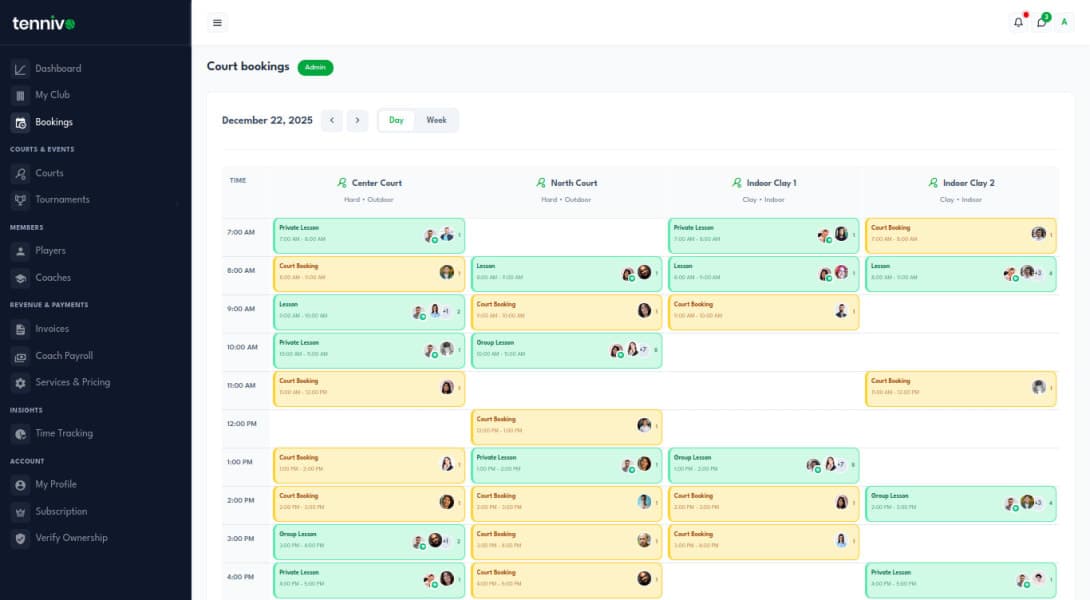
Retention also improves when the operational experience is simple. A connected court booking and member management software helps players book faster, receive clearer updates, and stay engaged with the club.
Retention is shaped by smaller moments: how easy it is to book, whether a new player meets anyone, whether events are easy to join, and whether the club notices when a regular stops showing up.
Reduce friction first
Players rarely leave because of one dramatic problem. More often, they leave because playing becomes inconvenient. They have to message someone to book. They cannot find a partner. Announcements are buried in group chats. Tournaments are rare because they are too much work to organize.
Fixing those basics has more impact than another generic newsletter.
Make the first 90 days intentional
A new member needs a path. Approval, welcome, onboarding, first booking, first social session, first event. If that path is unclear, the player may never become active.
Clubs should watch for incomplete onboarding and members who join but do not book. A short personal message at the right time can turn a silent registration into an active player.
Reward reliable members
Trusted player status is a simple way to recognize consistency. Reliable members can be given direct booking access and other privileges. The club keeps control, but loyal players get a smoother experience.
That recognition matters. It tells active members that the club sees their commitment, and it gives them a reason to stay engaged.
Run more social and competitive tennis
Players stay when they have reasons to show up. For competitive players, tournaments and rankings create goals. For social players, open sessions and mixers create belonging.
The key is making these events easy to run. If brackets, registrations, match schedules, and scores are manual, the club will run fewer events. If the software handles the structure, events can happen more often.
Use activity signals
Every club should know which members have not booked, joined an event, or taken a lesson recently. That is not surveillance. It is care.
If a regular player disappears for three weeks, the club can invite them to a social session or let them know about an upcoming tournament. Without activity data, that opportunity is missed.
Coaching can anchor retention
Players who improve have a reason to keep playing. Group clinics, private lessons, and regular coach-led sessions create progress and routine.
Booking those sessions should be as easy as booking a court. If lessons require back-and-forth messages, players will delay. If they can see availability and book clearly, they are more likely to follow through.
Payments can support commitment
For clubs that enable online payments, players can book and pay immediately. That reduces no-shows and removes the loose "I will pay later" step. For other workflows, invoices and recorded payments can still keep billing organized.
Build a club players want to keep using
Tennivo helps clubs reduce booking friction, manage members, grant trusted status, run tournaments, track activity, send messages, create invoices, and enable online payments when ready.
Start managing your tennis club today
Organize bookings, members, events, billing, and communication in one tennis-specific platform.
Get started free ›No credit card required
Frequently asked questions
What is the fastest retention improvement?
Make booking easier and create a regular social session. Those two changes remove common friction for both new and existing members.
How can a club spot churn risk?
Look for declining activity: fewer bookings, no event registrations, incomplete onboarding, or a regular player going quiet.
Do tournaments improve retention?
Yes. Competitions give players goals, social connection, and a reason to return regularly.
Do small clubs need software for retention?
Small clubs can be personal, but they still need visibility. Software helps preserve that personal touch as the club grows.
Tags:
Related posts

Tennis club billing software: automate invoices, payments & coach payouts
How tennis clubs can connect bookings, invoices, payment tracking, and coach reports without running month-end through spreadsheets.

6 free tennis club management software options compared (2026)
A concise comparison of free and affordable tennis club software options, including where each platform fits and what Tennivo includes.
How to choose the best tennis club management software in 2026
How to evaluate tennis club management software by real club problems: bookings, members, tournaments, billing, adoption, and growth.
Search posts
Start managing your tennis club today
Join hundreds of clubs using Tennivo to streamline operations and grow their community
Get started freeNo credit card required